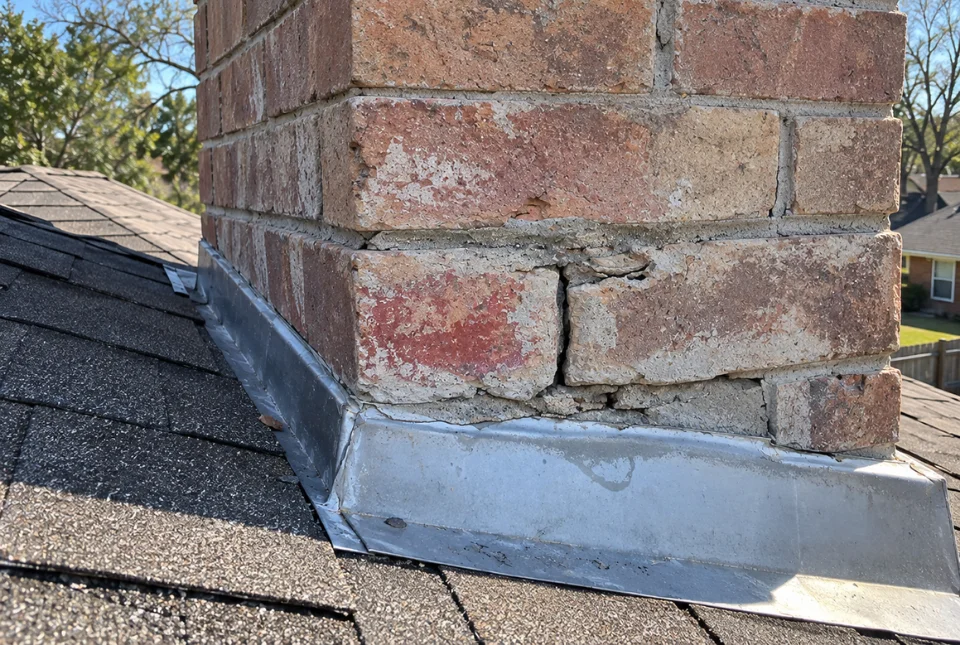
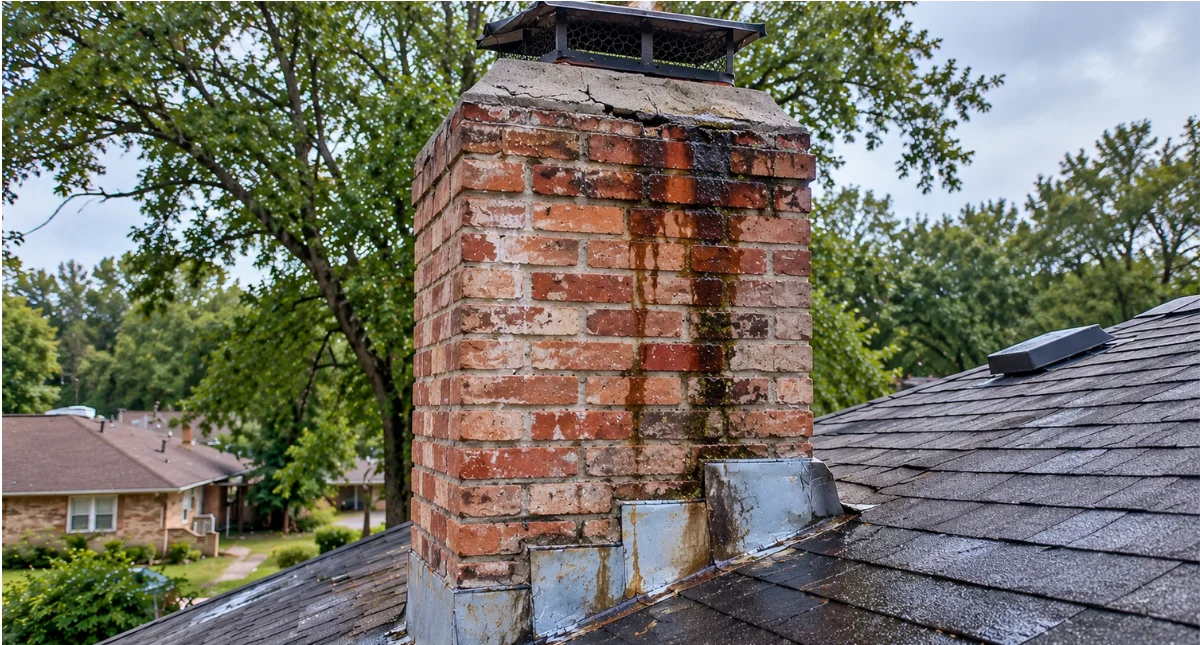
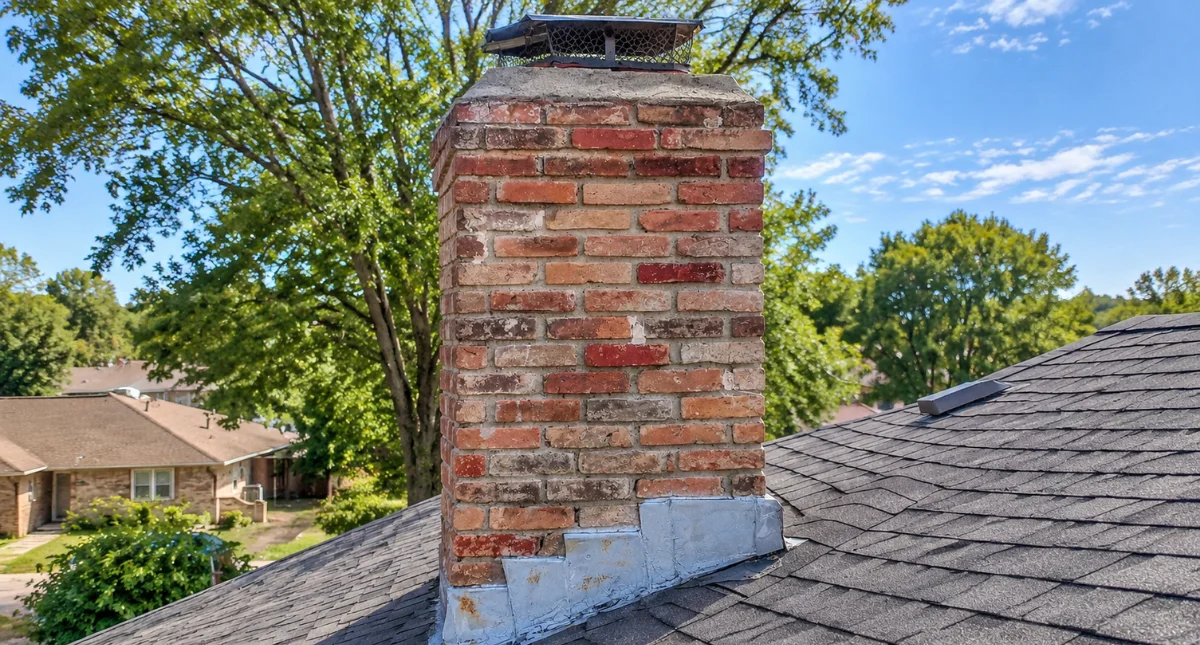
Water intrusion can damage chimney masonry, weaken mortar, and cause interior leaks. Our chimney waterproofing services in Dallas–Fort Worth help identify moisture entry points, including porous brickwork, cracked crowns, and damaged flashing. We assess vulnerable areas and recommend solutions to protect your chimney from water damage.
Effective chimney leak prevention starts with locating the source of water intrusion and addressing vulnerable surfaces, joints, and roof connections before moisture causes further deterioration.
01
Moisture Assessment
We examine chimney surfaces, flashing, and joints for possible water entry points.
02
Water Intrusion Control
We address identified vulnerabilities and apply suitable moisture protection methods.
03
Protection Review
We review treated areas and explain recommended ongoing chimney maintenance.
Protect Your Chimney From Water Damage
Heavy rainfall and wind-driven storms in Dallas–Fort Worth can expose weaknesses around chimney crowns, masonry joints, and roof flashing. When water penetrates these areas, it may lead to interior staining, rusted fireplace components, and gradual masonry deterioration. Proper chimney waterproofing helps limit moisture absorption, while addressing defective joints and flashing reduces the likelihood of recurring leaks and costly water-related damage.
Help protect porous chimney masonry from rainwater absorption and deterioration.
Identify vulnerable flashing, chimney crowns, and joints contributing to leaks.
Reduce moisture-related damage to fireplace components and nearby interior surfaces.
Chimney Waterproofing FAQs
Chimney leaks often result from damaged roof flashing, cracked crowns, missing chimney caps, or deteriorated mortar joints. Wind-driven rain can also penetrate porous masonry, particularly when protective treatments have worn away.
Waterproofing can reduce water absorption through sound masonry, but it cannot repair cracked crowns, failed flashing, or open mortar joints. Existing defects must be addressed before a suitable water-repellent treatment is applied.
Warning signs include damp fireplace walls, ceiling stains near the chimney, white mineral deposits on brickwork, rusted dampers, and crumbling mortar. These symptoms warrant an inspection to locate the moisture source.
Reapplication depends on the treatment used, masonry condition, and exposure to weather. Regular chimney inspections can help determine when protective coatings need attention or when underlying repairs are necessary.