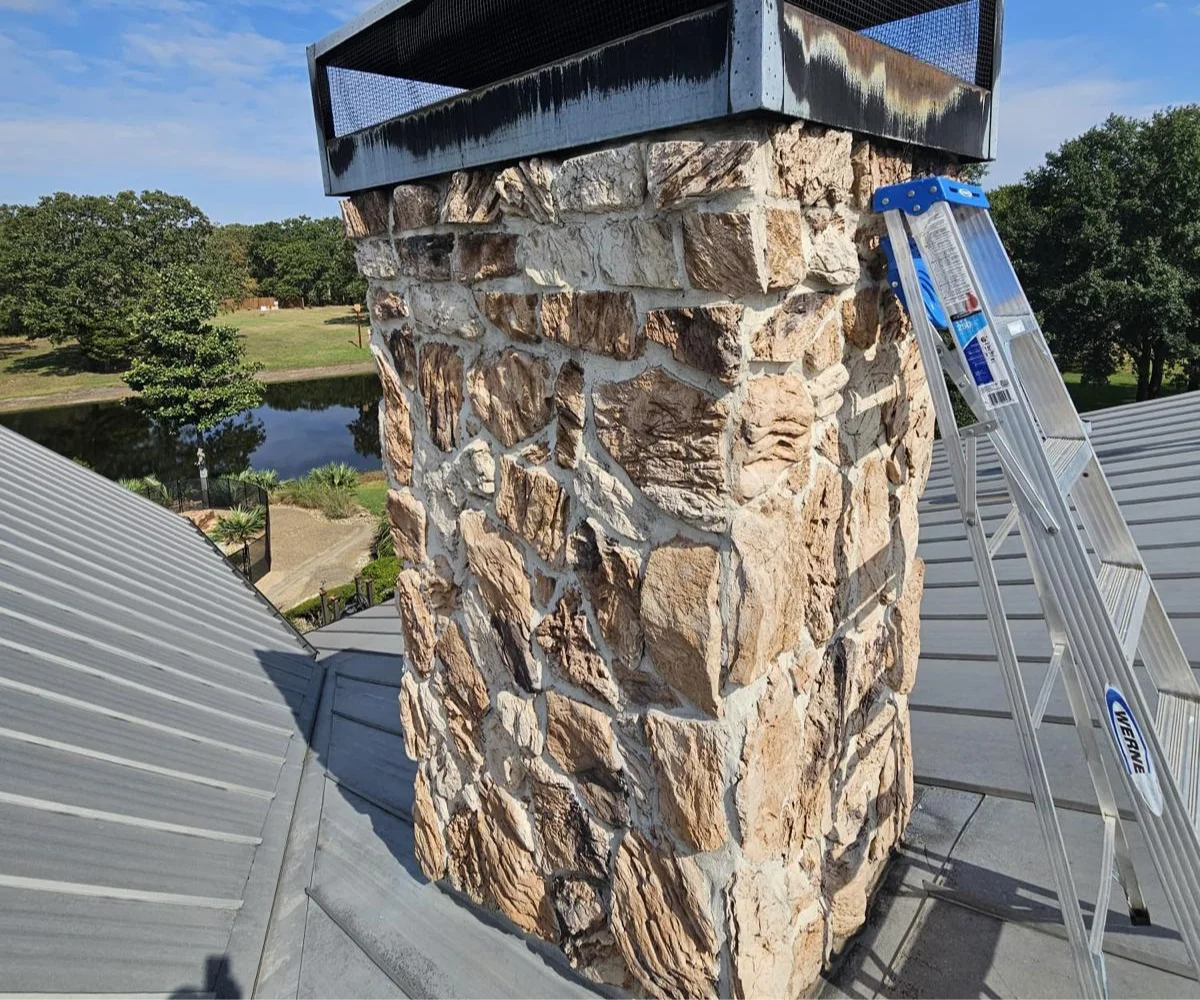
A
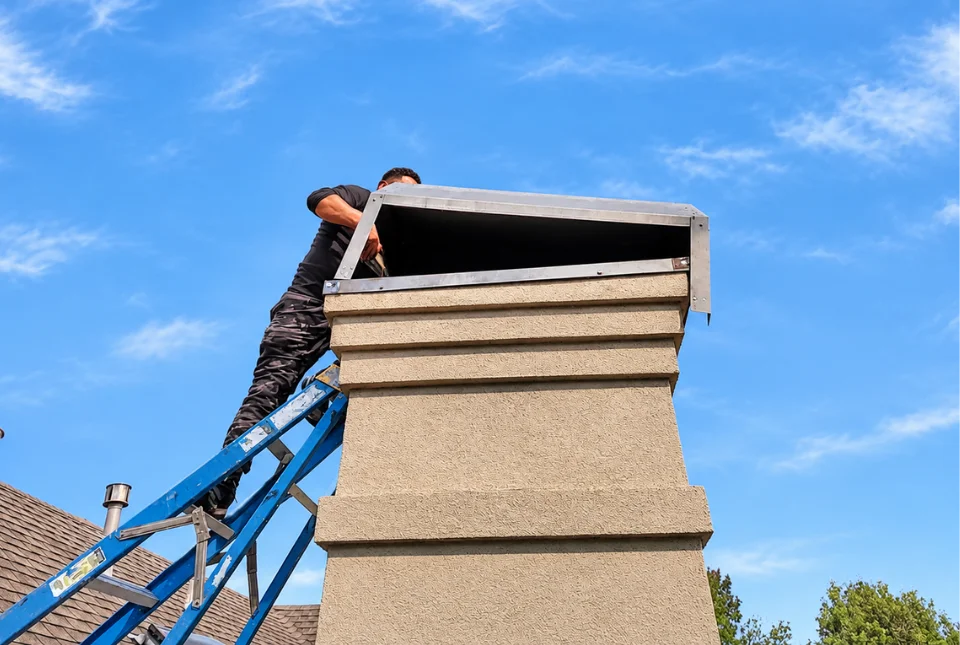
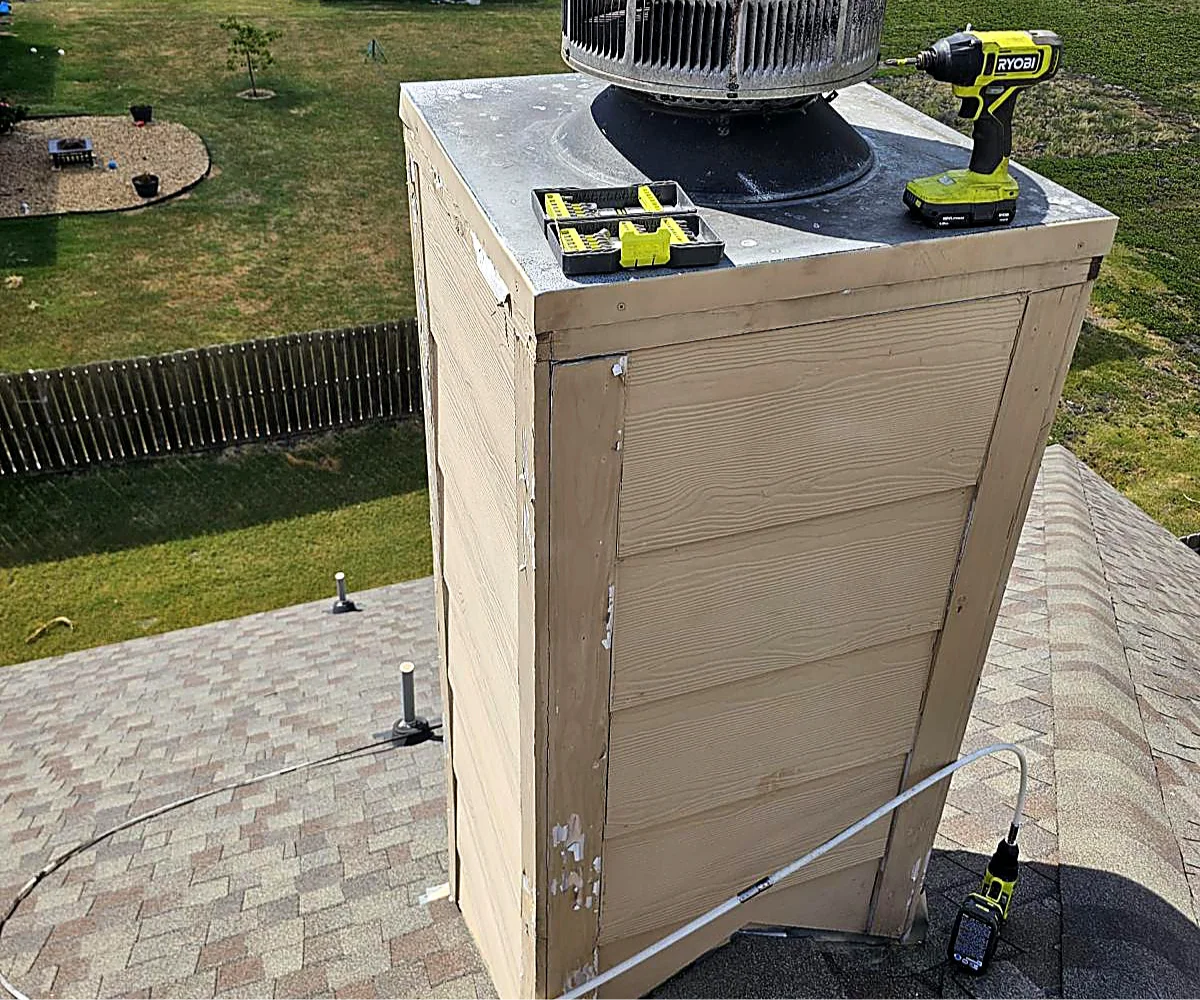
chimney can develop hidden damage that affects its safety and performance. Our chimney inspections in Dallas–Fort Worth help identify flue blockages, damaged masonry, moisture intrusion, and deteriorating components. We examine accessible areas, identify potential concerns, and recommend appropriate next steps.
A thorough fireplace and chimney inspection helps uncover potential fire hazards, ventilation concerns, and structural deterioration before they lead to more extensive repairs.
01
Visual Assessment
We examine accessible chimney and fireplace components for visible damage.
02
Flue Evaluation
We check accessible flue areas for deposits, blockages, and deterioration.
03
Findings & Guidance
We explain observed concerns and recommend suitable maintenance or repairs.
Why Regular Chimney Inspections Matter
Dallas-area fireplaces can experience creosote accumulation, cracked flue liners, moisture damage, and deteriorating mortar even when no obvious problem is visible. Routine chimney inspections help identify developing issues, guide necessary maintenance, and reduce the likelihood of unexpected fireplace problems. An inspection is especially important before seasonal use, after a chimney fire, or when purchasing a home.
Identify creosote buildup, flue obstructions, and potential chimney fire hazards.
Detect damaged masonry, chimney leaks, and deteriorating components early.
Plan appropriate cleaning or repairs before using your fireplace regularly.
Chimney Inspection FAQs
Chimneys should generally be inspected at least once a year, even if the fireplace is used infrequently. An annual inspection can reveal obstructions, deposits, or deterioration before the next heating season.
The inspection scope depends on the chimney's condition and the inspection level needed. A basic inspection typically covers readily accessible areas, including the firebox, damper, flue, and visible exterior components.
Inspections can reveal warning signs of concealed problems, but not all defects are visible during a basic assessment. Suspected liner damage, chimney fires, or structural concerns may require a more detailed inspection.
Schedule an inspection before using a fireplace with an unknown maintenance history, after a suspected chimney fire, or when you notice smoke problems, unusual odors, water stains, or visible chimney damage.