
CHIMNEY INSPECTION
What Happens During a Chimney Inspection?
Learn what a chimney inspection may involve, which components can be examined, and why identifying potential concerns matters.
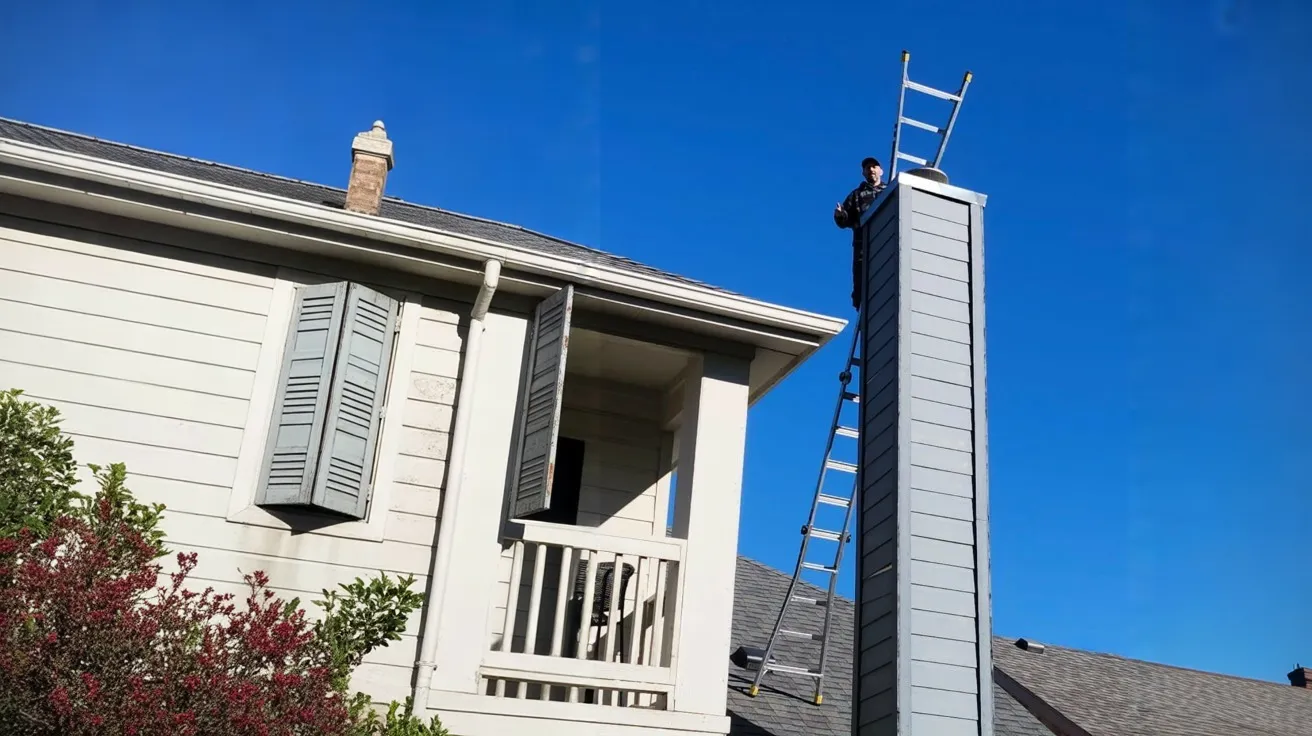
A fireplace opening shows only a small part of the system that carries combustion gases outdoors. An inspection helps establish what can be observed, which areas need closer examination and what questions should be answered before maintenance or repair work is chosen. It is a condition assessment, not simply another name for sweeping.
The useful starting point is the fireplace you actually have: its fuel, appliance type, service history and any recent change in performance. A good conversation about scope is more informative than assuming every inspection includes the same equipment or access.
Start with the history of the fireplace
When booking, explain whether the fireplace burns wood or uses gas, whether it has an insert and when it was last examined. Mention a change of appliance, water staining, unusual odors, smoke entering the room or damage noticed after a storm. If you have previous reports or the appliance manual, keep them available.
Ask how long the fireplace should remain unused before the appointment and what access is needed. Clear a practical working area without dismantling the fireplace or climbing onto the roof yourself.
Understand which components can be examined
Depending on the system and agreed scope, the assessment may involve the firebox, damper, accessible connections, visible chimney surfaces and portions of the venting passage. The professional should explain access limitations rather than imply that concealed construction has been inspected.
CSIA's Level 1 guidance for factory-built fireplaces distinguishes readily accessible areas from portions that require additional access. That guidance does not mean every property can be examined in exactly the same way.
Ask whether a more detailed inspection is appropriate
A routine review and a more extensive investigation serve different purposes. CSIA's Level 2 guidance discusses circumstances such as appliance changes or events that may have affected the venting system. Explain your circumstances and ask which level is appropriate.
Video examination may help with some inaccessible views, but it should not be assumed to be included in every appointment. Ask whether it is proposed, what it can show and whether deposits or other obstructions could limit the view.
Make the findings useful
Request an explanation that separates observed conditions, areas not examined and recommended next steps. Photographs can help you understand the location of a concern, but ask how the observation relates to the suggested work. An inspection should not be presented as a promise that no future problem can occur.
- Which components were examined, and which were not accessible?
- Does the recommendation involve cleaning, repair or further investigation?
- Is any additional assessment needed before the fireplace is used?
Plan the next step around the findings
Read our chimney inspection service information before calling to discuss your property. If cleaning or repairs are recommended, ask for a clear description of that work rather than treating it as automatically included. Understanding the scope first makes it easier to compare proposals and keep a useful maintenance record.
Questions about your chimney?
Call Dallas Chimney Service to discuss what you have noticed, the service you are considering and availability for your property.
+1 469-750-1198