

CHIMNEY MAINTENANCE
How Moisture Can Affect Chimney Masonry
Discover how moisture can contribute to mortar deterioration and other chimney masonry problems over time.
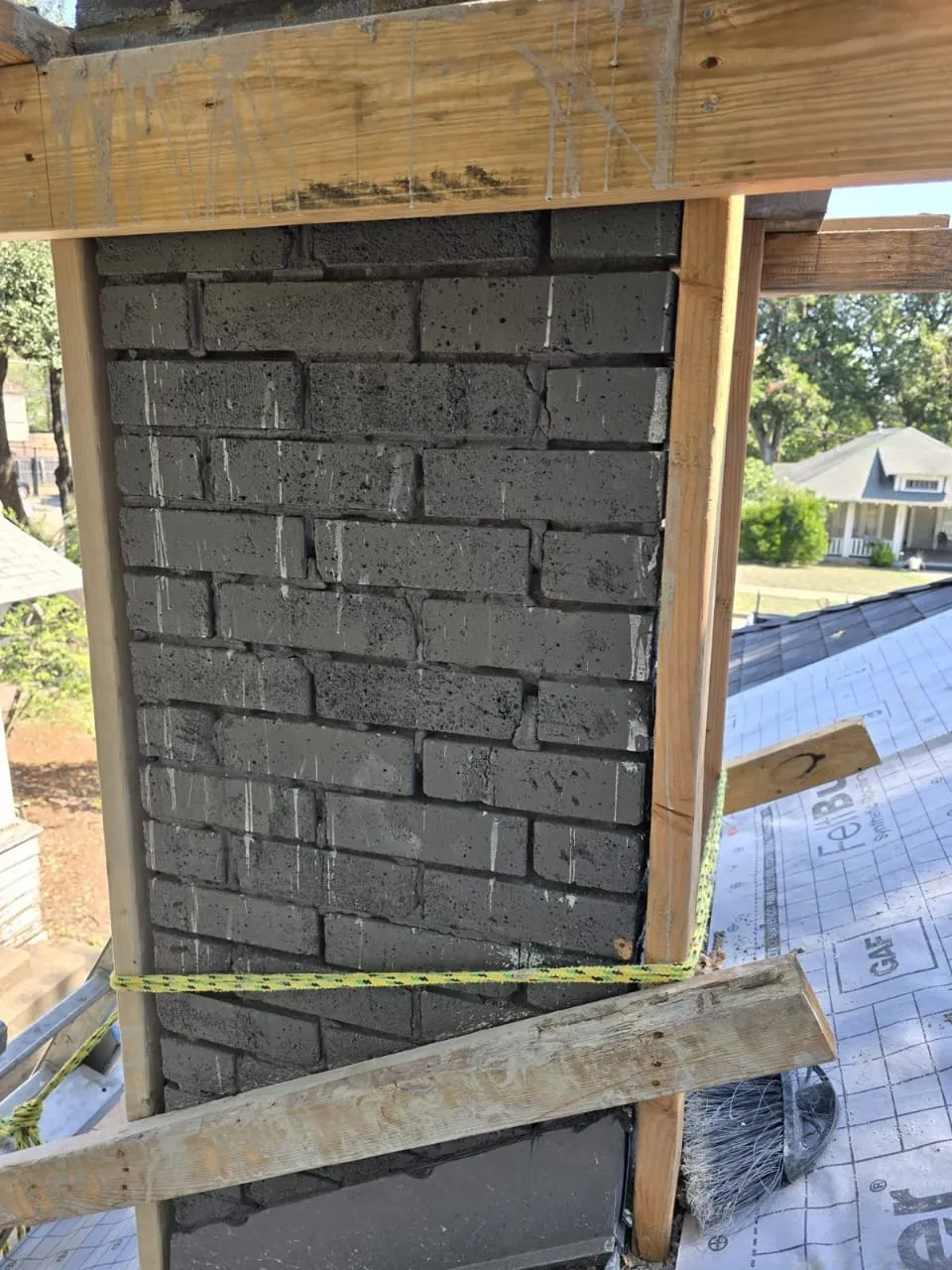
Water staining near a chimney is easy to notice and harder to explain. Rain can meet several different parts of the chimney and roof assembly, so a damp patch does not automatically mean the brick faces need a coating. The useful question is where moisture is entering and which materials are affected.
Understanding the parts involved helps homeowners ask more focused questions and avoid treating every water concern as the same repair.
Look at the chimney as an assembly
The opening above the flue, the chimney top and the roof junction are different locations. A rain cap, a masonry crown and roof flashing have different jobs. CSIA's guidance on chimney water damage discusses these components separately rather than describing a single universal remedy.
Ask the assessor to identify the component being discussed. A proposal using the word “cap” should make clear whether it concerns a flue cover, a chase cover or another part of the top assembly.
Understand why joints and detailing matter
Water behavior depends on more than a brick's outward appearance. The Brick Industry Association's guidance on water resistance explains the importance of design, materials, workmanship and maintenance together. Open joints and poorly performing interfaces can be relevant even where much of the surface looks intact.
That is why a photograph alone cannot establish the cause of dampness. Ask how the observed condition could allow moisture to reach the affected area and what evidence supports that explanation.
Record changes rather than naming a diagnosis
Report recurring damp patches, changes in mortar appearance, loose fragments or staining that follows rain. Pale deposits on brickwork can also be worth mentioning, but appearance alone does not establish the source of the moisture or the repair required.
From ground level, photograph the same accessible view when the condition changes. Note whether the mark appears after prolonged rain or a particular wind direction. Do not move roof coverings, remove masonry or climb up to reproduce the leak.
Separate water-repellent treatment from repair
A surface treatment does not rebuild missing mortar or correct every defect at the chimney top. The Brick Industry Association's maintenance guidance calls for investigating moisture sources and addressing masonry deficiencies before considering coatings.
Ask why the proposed product is suitable for the existing masonry and how the underlying condition will be addressed. Our chimney waterproofing information and masonry repair information describe related services, but they should not be treated as interchangeable solutions.
Compare the explanation before comparing the price
A useful proposal identifies the suspected entry point, the work included and any limits to the investigation. Ask what needs to happen first if both repairs and treatment are suggested. Keep photographs and descriptions with the quote so you can understand what was actually proposed.
Address the cause before choosing a finish
Start with the visible concern and an assessment of the chimney assembly. Once the source and extent of the issue are understood, it becomes easier to discuss appropriate repairs or maintenance without assuming that one coating will solve every water problem.
Questions about your chimney?
Call Dallas Chimney Service to discuss what you have noticed, the service you are considering and availability for your property.
+1 469-750-1198