
CHIMNEY MASONRY
When Should You Consider Chimney Masonry Repairs?
Learn how to describe deteriorating mortar, damaged bricks and recurring moisture concerns before discussing a defined masonry repair plan.
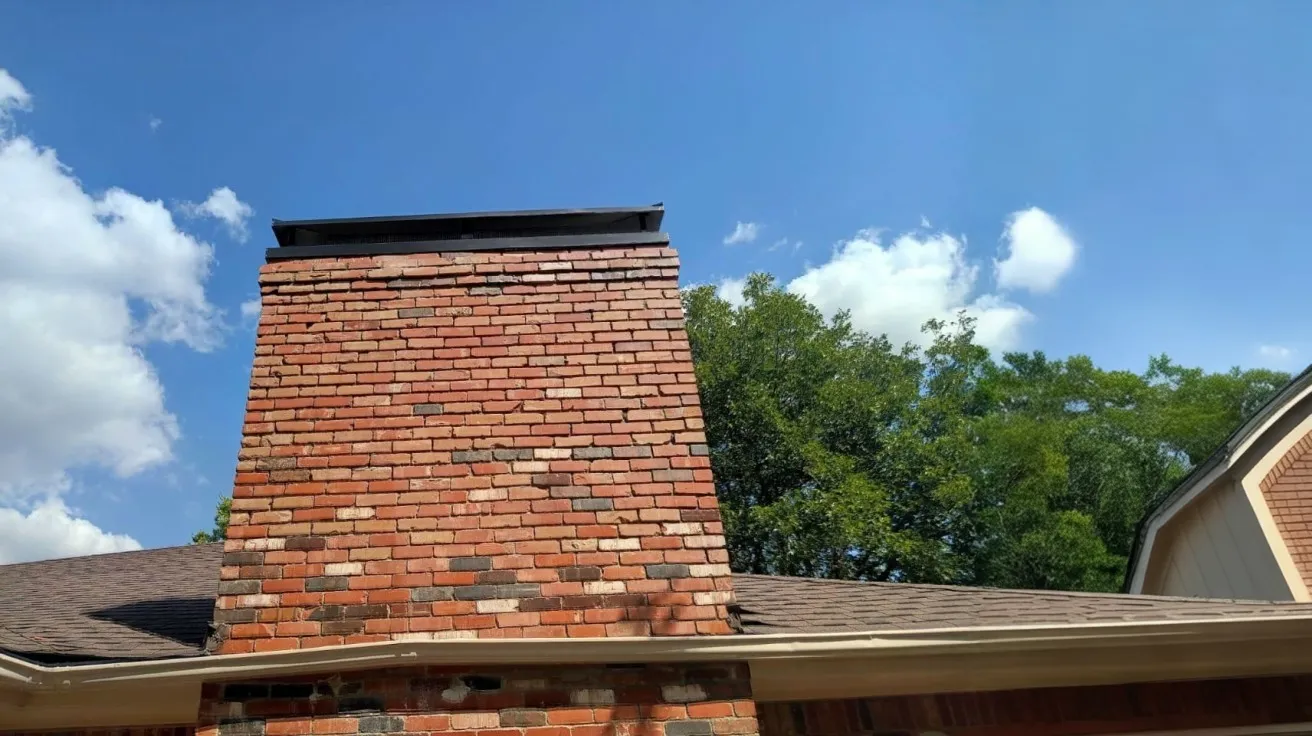
Crumbling mortar or a damaged brick can make homeowners wonder whether a chimney needs repointing, a few replacement bricks or a more extensive repair. Those options are not interchangeable. The first task is to understand what is deteriorating, how widespread the condition is and whether movement or moisture is involved.
Photographs can start that conversation, but a close-up of one joint does not establish the condition of the whole chimney or the right repair specification.
Tell mortar concerns from damaged masonry units
Mortar is the material between the bricks or stones. Missing or deteriorating joints and damaged masonry units may need different approaches. The Brick Industry Association's maintenance guidance treats mortar repair, brick replacement and structural concerns as distinct subjects.
For homeowners, the useful step is to describe where material is missing or breaking away. Do not scrape joints, pull loose bricks or apply a surface patch to determine how deep a problem goes.
Look for patterns rather than isolated labels
Report cracks that appear to continue through several units, an apparent change in alignment, loose fragments or damage that seems to be spreading. BIA notes that some conditions resembling maintenance issues can require structural investigation. A qualified assessor may recommend an engineer where movement or stability is in question.
Keep people away from an area where masonry could fall. Observe from a safe ground-level location rather than approaching or leaning a ladder against a visibly damaged chimney.
Include the water story
Recurring dampness or staining matters when discussing masonry deterioration, even if the main concern is a damaged joint. Ask whether the assessment includes the chimney top and roof junction, or whether another specialist needs to examine those areas.
Our guide to how moisture can affect chimney masonry explains why an entry-point investigation is different from choosing a surface treatment. A repair proposal should explain how related concerns fit together rather than treating them as unrelated purchases.
Understand the proposed repair, not just its name
Repointing concerns mortar joints; replacement concerns damaged units; a broader repair may address a different condition. The choice of materials and repair scope should suit the existing construction. Appearance alone is not enough to choose a mortar or a method.
Ask why the proposed work matches the findings and whether nearby masonry also needs examination. Read our chimney masonry repair information and general chimney repair information to distinguish those service conversations. Avoid assuming that the largest or smallest repair is automatically the appropriate one.
Ask for a clear record of the work
- Which locations and components are included?
- What observations support that scope?
- Are moisture entry or movement still under investigation?
- What photographs, findings or completed-work notes will be provided?
A useful description identifies the boundaries of the work as well as its purpose. Keep it with earlier reports so later changes can be discussed in context.
Choose repair after assessment
Visible deterioration is a reason to ask focused questions, not to diagnose the chimney from its surface alone. Start with the observed condition, seek an appropriate assessment and use the findings to discuss a defined repair plan.
Questions about your chimney?
Call Dallas Chimney Service to discuss what you have noticed, the service you are considering and availability for your property.
+1 469-750-1198