
CHIMNEY CLEANING
Common Signs Your Chimney May Need Cleaning
Explore common signs of soot buildup and other fireplace concerns that may warrant professional chimney cleaning.
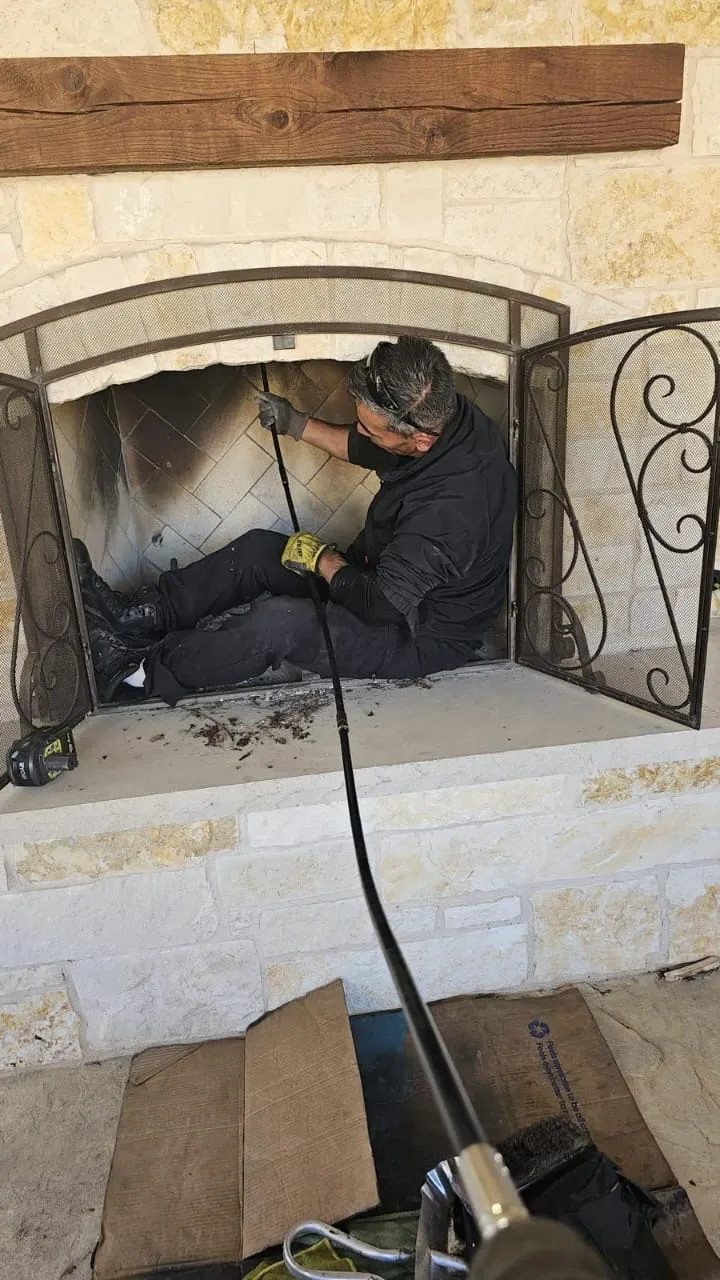
Soot around a fireplace can prompt a sensible question: does the chimney need cleaning? The answer depends on more than how tidy the hearth looks. Deposits can be present farther along the venting system, while an odor or smoky room can have causes that cleaning alone will not resolve.
Homeowners can describe changes they notice without trying to diagnose the whole system. Those observations help a professional decide what needs examination and whether sweeping, another service or further investigation is appropriate.
Notice deposits and debris without reaching into the flue
Dark material on accessible surfaces, loose debris falling into a cold fireplace or a change in the amount of residue can be useful information to report. Looking from the room does not establish the thickness or condition of deposits throughout the chimney. Do not climb onto the roof or try to dislodge material to judge the condition yourself.
Take a photograph from a normal, accessible position if it helps explain the concern. Tell the company whether the material appeared suddenly or has accumulated over time, and whether the fireplace has been used since it was last serviced.
Treat persistent odors and smoke as assessment questions
A lingering smell or a change in fireplace behavior deserves attention, but neither identifies a single cause. Deposits, airflow conditions and obstructions can be different parts of the discussion. Describe when the issue happens, whether the fireplace is operating and whether anything recently changed in the home.
If smoke enters the living area during use, stop using the fireplace and arrange a qualified assessment. Burning another fire to test the problem or trying to burn away deposits is not a suitable diagnostic approach.
Separate hearth cleaning from chimney sweeping
Removing visible ash does not establish that the flue is clear. CSIA's homeowner FAQs distinguish a full chimney sweeping from cleaning only the visible firebox and explain that cleaning needs depend on the system and deposits found.
When discussing chimney cleaning and sweeping, ask which areas are included. Explain the appliance type rather than assuming a procedure suitable for one fireplace applies to every fireplace or insert.
Use maintenance history as well as visible signs
A fireplace does not need to look obviously dirty before an inspection becomes useful. CSIA recommends annual inspection, with cleaning and repairs based on need. That recommendation is a maintenance guide, not a claim about a particular property's condition or a substitute for appliance instructions.
Keep previous reports and note the fuel used and any change in usage. If you do not know the service history, say so. Guessing a last-cleaned date can make the discussion less useful.
Ask what the proposed service will address
Ask how the company will decide whether deposits require removal, whether visibility is limited and how findings will be communicated. Request an explanation if an odor or performance concern may require a separate chimney inspection. A cleaning proposal should describe the intended work without promising to fix every possible fireplace problem.
Turn observations into a practical next step
Gather your service history and a short description of the concern, then discuss the appropriate scope before booking. Clear information is more useful than a guess based on appearance, and it helps distinguish routine cleaning from an issue that needs closer evaluation.
Questions about your chimney?
Call Dallas Chimney Service to discuss what you have noticed, the service you are considering and availability for your property.
+1 469-750-1198