
FIREPLACE MAINTENANCE
Common Fireplace Maintenance Mistakes to Avoid
Recognize common maintenance assumptions about appearance, fuel and cleaning products, and prepare better questions about your fireplace.
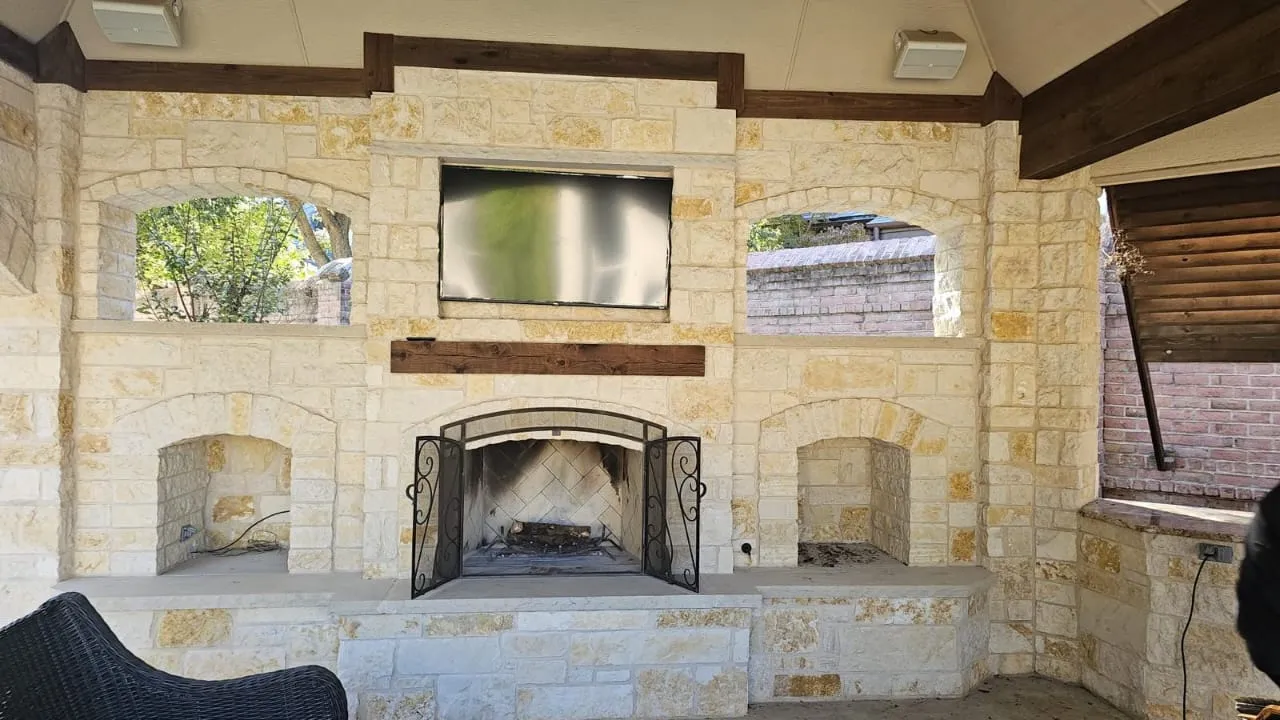
Fireplace maintenance is easier to plan when small household tasks are kept separate from inspection and repair. A clean hearth, a new accessory or a fireplace that was used last winter can all create confidence without answering the same questions about the venting system.
The aim is not to turn homeowners into chimney technicians. It is to recognize assumptions that can lead to missed maintenance and to prepare better questions for the people assessing the fireplace.
Mistake 1: judging the whole system by the hearth
Visible ash removal and surface cleaning concern areas you can see. They do not document the condition of concealed portions of the chimney. A well-presented fireplace can still have an unknown service history, so appearance is a poor substitute for records.
Keep the latest report with the appliance manual. When something changes, describe the change rather than assuming a familiar-looking opening means the rest of the system is unchanged.
Mistake 2: treating every fuel as interchangeable
A wood-burning fireplace, an insert and a gas appliance should be operated according to their own instructions. The EPA's archived Burn Wise guidance advises against burning wet wood, trash or treated wood and stresses appropriate operating practices for wood-burning equipment.
Do not use an article about wood fires as an operating manual for a different appliance. If you do not know the model or intended fuel, find that information and ask a professional before experimenting with fuels or accessories.
Mistake 3: assuming a product replaces assessment
A product marketed for fireplace or chimney care has a specific intended use. Its presence in the home does not establish that the flue is clear or that damaged components have been repaired. Read its instructions without treating the label as a service record.
CSIA's homeowner resources discuss professional evaluation and cleaning rather than treating chemical products as a universal replacement for sweeping. Ask whether chimney cleaning is needed and what the proposed service will cover.
Mistake 4: continuing as usual after a change
New smoke in the room, recurring dampness or a damaged-looking component should not be written off because the fireplace operated before. Stop using a fireplace that is behaving abnormally and seek assessment instead of repeatedly testing it with another fire.
Changes to the appliance or uncertainty about earlier damage are also worth explaining when arranging a chimney inspection. Useful details include when the change began, whether it follows rain and what work has recently taken place.
Mistake 5: booking work without understanding its scope
“Maintenance” can mean different things in different proposals. Ask what is included, what is excluded and how findings will be reported. Cleaning, a cap replacement and chimney repairs address different questions; one should not be assumed to include the others.
Keep recommendations and completed-work descriptions together. This makes a later conversation more specific than relying on a memory that someone “looked at the chimney.”
Build a practical maintenance habit
Follow the appliance instructions, keep service records and raise new concerns promptly. Those habits help you make informed decisions without attempting rooftop work, dismantling the appliance or guessing at a repair.
Questions about your chimney?
Call Dallas Chimney Service to discuss what you have noticed, the service you are considering and availability for your property.
+1 469-750-1198